

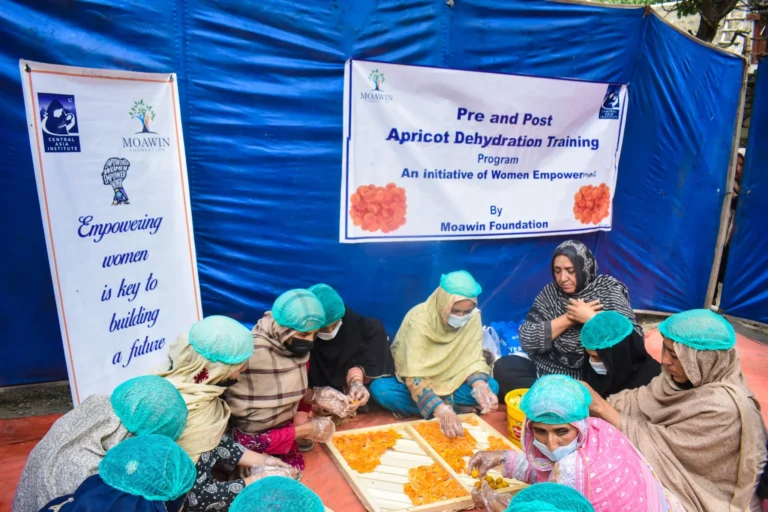
In the northern regions of Pakistan, orchards define both the landscape and the local economy. Apricots, apples, cherries, and other fruits are harvested in abundance across Hunza, Gilgit, and the surrounding valleys. While these seasonal fruits are rich in quality and value, many of them remain underutilized once the harvest period ends due to limited preservation practices.
At the same time, women in these communities often have limited access to income opportunities. This creates a gap between available resources and economic participation. When addressed thoughtfully, this gap presents an opportunity for meaningful and sustainable change.
Through its Skill Development Program, Moawin Foundation is working to bridge this gap. By introducing practical, locally relevant training, the Foundation enables women to convert existing resources into viable sources of income. Fruit dehydration training is one such initiative that directly supports women’s empowerment.
Building Skills Around Local Realities
Moawin Foundation’s approach to skill development is based on local needs and demands. Instead of introducing complex or unfamiliar trades, the focus remains on strengthening what already exists within communities.
Alongside programs such as beautician training and dressmaking, fruit dehydration training is particularly relevant in fruit-producing regions. It allows women to build on their familiarity with local produce while learning structured techniques to enhance its value. This approach reduces barriers to participation. Women can apply these skills within their own homes and communities, making the transition from learning to earning more practical and achievable.
Extending the Value of Seasonal Produce
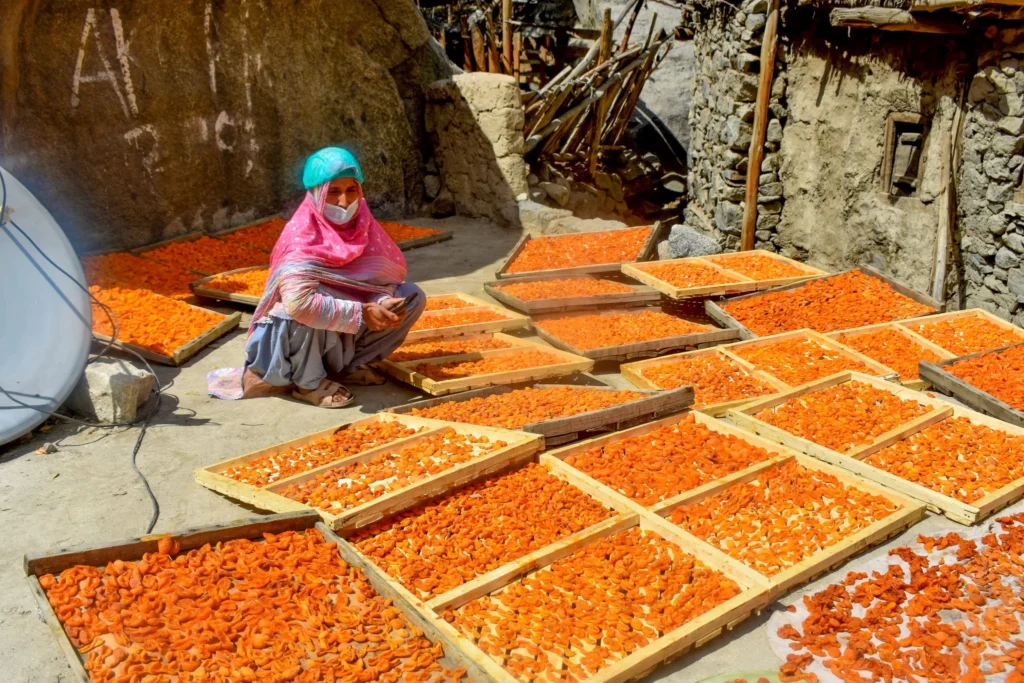
Fruit dehydration training introduces women to methods that extend the usability of fresh produce beyond the harvest season. Participants learn how to prepare, process, and dry fruits such as apricots and apples using safe and effective techniques.
This process helps retain nutritional value while significantly increasing shelf life. As a result, fruit that would otherwise go to waste can be preserved and used over time.
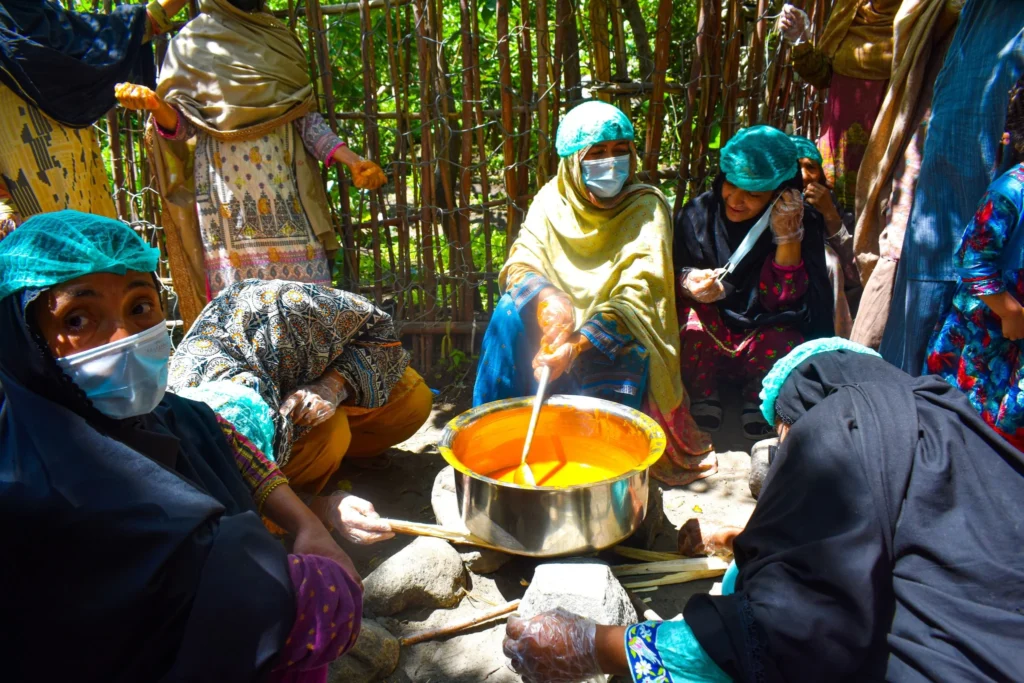
The training also includes basic methods of value addition. Women learn to prepare products such as jams and pickles, allowing them to diversify their output. This not only enhances the usability of available resources but also creates a wider range of products for local markets.
Linking Skills to Market Opportunities
An important aspect of the training is helping women understand how their products fit into the market. Dried fruits are widely recognized as healthy and convenient food items, with growing demand in both local and broader markets.
Participants are introduced to simple concepts such as quality control, consistency, and presentation. These factors play an important role in how products are perceived and sold.
The longer shelf life of dried and preserved products also provides flexibility. Women are not limited to immediate sales during harvest season. Instead, they can manage production and sales over time, improving their ability to generate a steady income.
Enabling Independent and Flexible Work
One of the key strengths of fruit dehydration training is its adaptability. Women can carry out production within their own homes, using locally available resources.
This flexibility allows them to balance household responsibilities while engaging in income-generating work. Many participants begin on a small scale and gradually expand their efforts as they gain confidence and experience. Over time, these activities can develop into consistent sources of income, contributing to greater financial stability at the household level.
Strengthening Confidence and Community Well-Being
The impact of such initiatives extends beyond income. As women begin to contribute economically, their confidence and participation in decision-making often increase.
Households benefit from improved financial stability, while children gain better access to education and basic needs. At the same time, women become more active contributors within their communities.
These changes often influence others. As more women observe the outcomes, interest in similar opportunities grows, creating a wider culture of participation and progress.
A Practical Approach to Sustainable Women’s Empowerment
Sustainable development is most effective when it builds on local strengths. By connecting fruit production to practical skills, the Moawin Foundation is enabling women to unlock the potential in their own environments. Fruit dehydration training reflects a balanced approach. It is simple in execution, relevant to local contexts, and aligned with market demand.
Through this initiative, women’s empowerment becomes a tangible outcome. Women can generate income, support their families, and build greater independence over time. These small but steady changes contribute to stronger households and more resilient communities.