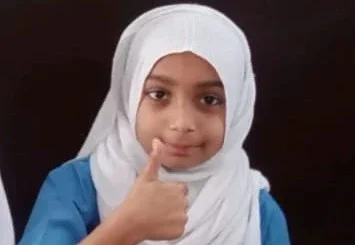
At Government Model Primary School Sauwal, a quiet but powerful transformation took place in the learning journey of a young student. Ammara Yasmeen, a 9-year-old studying in Grade 5, once struggled to keep up with her Urdu lessons despite her consistent efforts.
For Ammara, Urdu was more than just a subject. It was a daily challenge. Reading words, recognizing vocabulary, and expressing herself in writing felt difficult, which affected her overall performance. Even with the guidance of her teachers and regular practice at home, progress remained limited.
A Turning Point Through Digital Learning
A meaningful shift began when Moawin Foundation’s E-Learning program, in collaboration with Taleemabad, introduced the Urdu Literacy Program in her school. The program brought a new way of learning into the classroom, where lessons were explained in a clear, engaging, and relatable manner.
Through animated videos, real-life examples, and interactive content, Urdu concepts became easier to understand. What once felt complex gradually became familiar.
Visible Improvement in Learning
According to her Urdu teacher, Ms. Sumair Yasmeen, Ammara previously faced difficulty in reading Urdu words, identifying vocabulary, and writing sentences. This reflected in her performance, where her marks in Urdu were lower compared to other subjects. Despite being a capable and hardworking student, Ammara often hesitated to participate in classroom activities related to Urdu.
With regular exposure to Taleemabad videos and consistent practice through quizzes, a clear improvement was observed. Ammara began to read more confidently, recognize words accurately, and express herself better in writing. Her academic progress was significant. Her Urdu test scores improved from 30% to 90%, reflecting a strong grasp of the subject.
Building Confidence Beyond the Classroom
Beyond academic performance, the change in Ammara’s confidence has been equally important. She now actively participates in classroom discussions and engages more openly in learning activities.
Her reading ability has also improved considerably. She is now able to read Urdu passages with approximately 95% accuracy, demonstrating both understanding and fluency.
A Reflection of Impact
Ammara’s journey highlights the importance of innovative learning approaches in strengthening foundational education. With the right tools and support, students are able to overcome learning barriers and build confidence in their abilities.
Partnerships like Taleemabad and Moawin Foundation are helping reshape classroom experiences by making learning more engaging, accessible, and effective for students across underserved communities.