
World Water Day 2026: Clean Water Access in Pakistan and the Path to Equality
In Pakistan, access to clean drinking water remains deeply unequal. For millions of families in rural and underserved communities, safe water is not readily available. As a result, families depend on distant or unsafe sources, exposing themselves to risks that affect health, education, and economic stability. Reports indicate that only 47% of Pakistan’s population has access to safe drinking water. Thus, millions of families are dependent on unsafe or distant sources.
World Water Day 2026 comes with a strong theme: “Where water flows, equality grows.” The message is clear. Access to clean water is not only a matter of survival. It is a foundation for fairness, dignity, and equal opportunity.
Clean Water as a Foundation for Equality
Access to clean water is closely associated with human dignity. It is a fundamental need for every human being. Without safe access, everyday life becomes more difficult and more unequal.
Communities that lack clean water face higher exposure to disease. Children are more vulnerable to illness, and families have to spend time and money on treatment rather than progress. This imbalance creates a cycle where vulnerability continues across communities and generations.
Access to clean water changes this dynamic. It improves health outcomes, reduces financial strain, and creates conditions where individuals can participate more actively in productive activities. In this way, water becomes a driver of equality.
The Burden on Women and Girls
The theme of this year’s World Water Day highlights a critical reality. The absence of safe water disproportionately affects women and girls.
In many underserved areas, the responsibility of collecting water falls on them. Hours are spent each day walking to distant locations, carrying heavy loads, and managing household water needs. This time comes at the cost of education, personal development, and income-generating opportunities.
The Reality in Underserved Communities
In rural Pakistan, water access is often inconsistent and uncertain. Seasonal changes further intensify the challenge. During dry periods, water sources shrink, and families are forced to travel farther or rely on unsafe alternatives. Around 21 million people in Pakistan do not have clean water available near their homes.
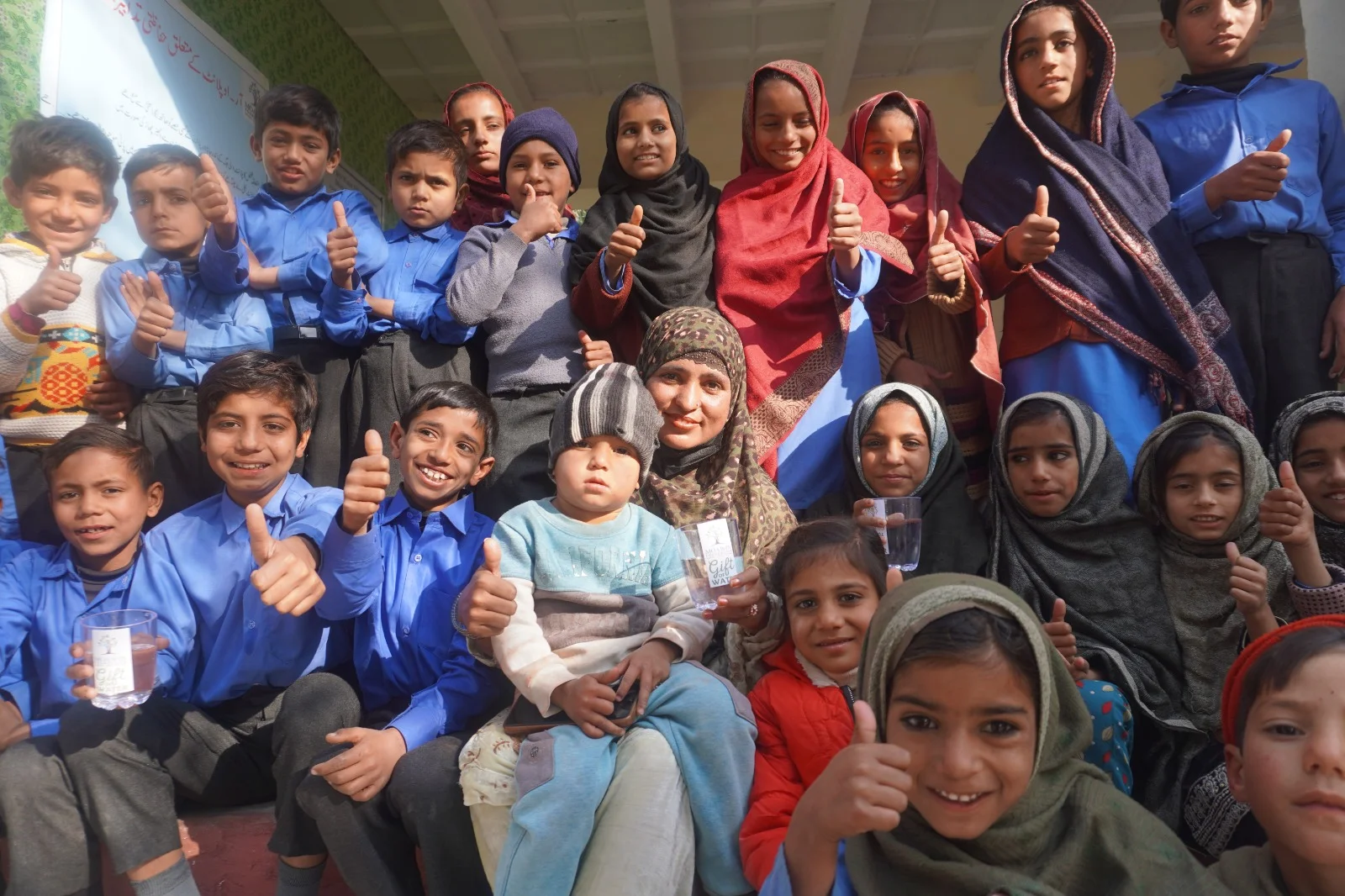
Schools face similar constraints. Without access to clean water, maintaining hygiene becomes difficult, affecting both attendance and the overall learning environment.
These challenges are not isolated. They are interconnected, affecting health, education, and economic participation simultaneously.
Moawin Foundation’s Response
Through its Humanitarian Support Program, Moawin Foundation addresses this challenge by providing solutions that are practical, reliable, and aligned with local conditions.
The Foundation focuses on bringing water closer to communities. By installing hand pumps and RO plants (reverse osmosis plants) in areas where infrastructure is limited, it creates access points that are both dependable and easy to maintain.
This approach is rooted in sustainability. Each intervention is designed to serve communities over time, ensuring that access to clean water remains consistent rather than temporary.
Measuring Impact Through Action
Providing safe water at scale is a complex challenge. Yet sustained efforts have led to meaningful progress.
Moawin Foundation’s work in water access has resulted in:
• 3,450 hand pumps installed in underserved areas
• 338 schools provided with access to clean water
• 3 RO plants installed
• More than 485,000 lives impacted through safe water initiatives
These numbers represent real change. They reflect reduced health risks, improved school attendance, and stronger community resilience.
Clean Water and the Right to Education
Moawin Foundation recognizes that education cannot thrive without a supportive environment. Clean water is an essential part of that environment. When schools are provided with safe water, students are able to maintain hygiene and attend regularly. The learning process becomes more consistent, and the school environment becomes more inclusive.
For girls in particular, the presence of basic facilities can determine whether they continue their education. Removing barriers, such as water access, allows them to focus on learning rather than daily survival responsibilities.
By extending water access across schools and communities, Moawin Foundation is helping create conditions where education can truly serve its purpose.
Sustainability and Long-Term Change
Access to clean water is a collective concern that extends beyond individuals. It requires coordinated effort from institutions, organizations, and communities working toward a common goal. In many underserved areas, large-scale infrastructure is not always practical. Community-based systems often provide a more effective path forward.
Hand pumps and RO plants offer reliable and scalable solutions. They provide consistent access to groundwater and can be maintained locally with relative ease.
Moawin Foundation’s approach reflects a long-term vision. Access to water is not treated as a one-time intervention, but as a continuous necessity that supports broader development.
A Shared Responsibility
Access to clean water is a collective concern that extends beyond individuals. It requires coordinated effort from institutions, organizations, and communities working toward a common goal.
Moawin Foundation continues to expand its work with a focus on reaching more underserved areas. Each new installation improves access and contributes to greater stability and resilience within communities. Moawin Foundation is helping extend this essential resource to more communities, contributing to a future where access to clean water supports not only survival, but equality and progress.