
In the rural community of Mulhal Mughlan in District Chakwal, access to digital education was once limited to basic classroom instruction. For many students, technology remained distant, with little opportunity to explore its full potential.
Since 2013, Miss Aisha Hafeez has been working as a computer science teacher at Government Girls High School, Mulhal Mughlan. Over the years, she recognized a growing gap. As the world rapidly evolved with technology, her students needed more than just theoretical knowledge. They needed practical digital skills to prepare for the future. This realization became the starting point of a transformative journey.
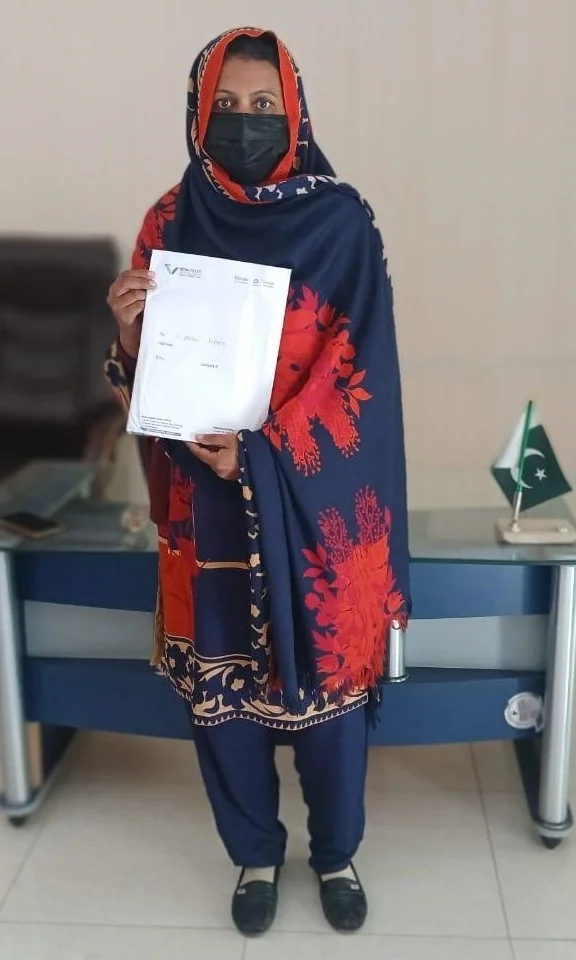
A Turning Point Through Digital Safar
Miss Aisha’s approach to teaching took a new direction when she was nominated by Moawin Foundation for Digital Safar, an online training initiative delivered in collaboration with Tech Valley.
The program introduced her to modern tools and methodologies designed to make digital learning more engaging, accessible, and relevant for students. Through this initiative, she explored two key components that would reshape her classroom.
Be Internet Awesome:
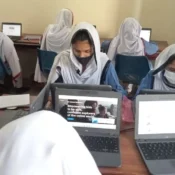
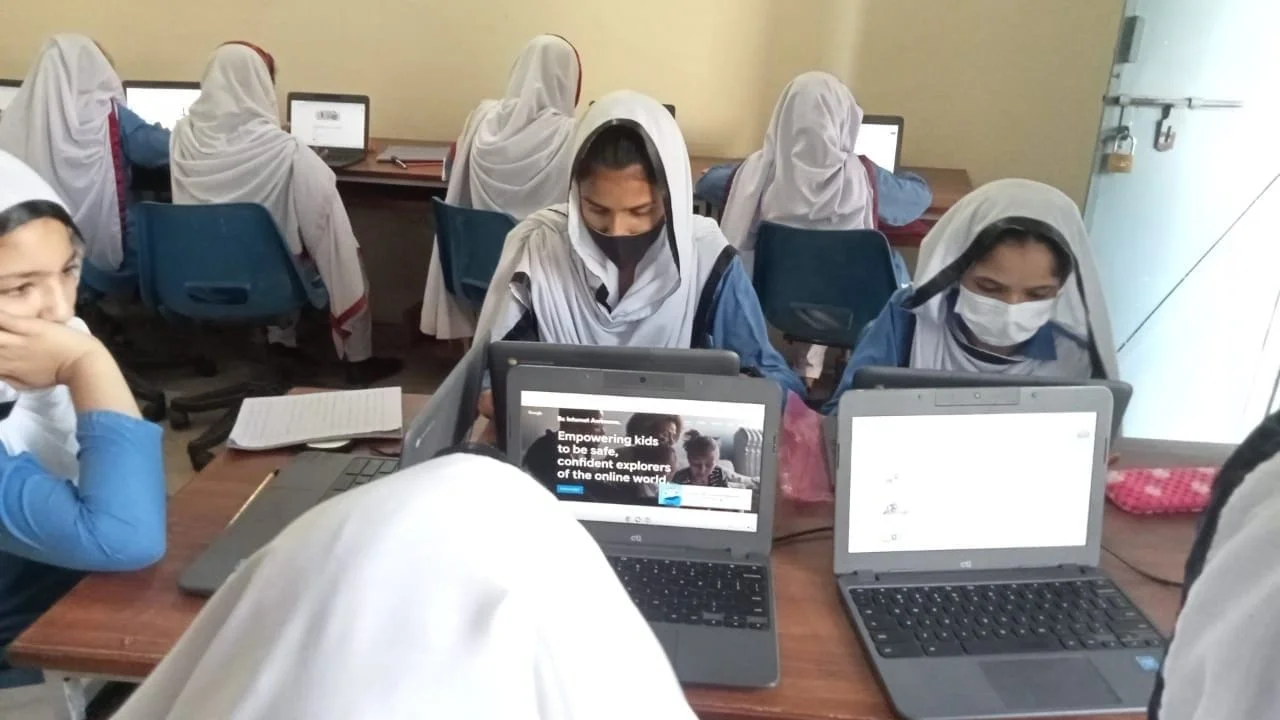
The Be Internet Awesome module focused on helping students navigate the online world with confidence and responsibility. Through interactive activities and practical examples, students learned how to protect their personal information, recognize online risks, and practice respectful digital behavior.
For many of them, this was their first exposure to structured digital safety education. It not only improved their awareness but also built their confidence in using the internet responsibly.
Google CS First:
Alongside digital safety, Miss Aisha introduced her students to Google CS First, a platform designed to make coding simple and engaging. Using Scratch-based activities, students began exploring creativity through programming.
What once seemed complex quickly became approachable. Students started developing problem-solving skills, logical thinking, and a genuine interest in technology. The classroom environment began to shift. Learning became more interactive, curiosity-driven, and future-focused.
Transforming the Classroom Experience
Miss Aisha gradually integrated these learnings into her daily teaching. The impact was visible. Students became more engaged, more confident, and more willing to experiment with new ideas.
Digital literacy was no longer limited to understanding computers. It became a tool for expression, creativity, and critical thinking. Her efforts also influenced the broader school environment. Parents and community members began to recognize the value of digital education, leading to increased interest in enrollment.
A Broader Vision of Change
For Miss Aisha, the impact of this journey extends beyond her classroom. She sees digital literacy as an essential life skill, one that can open doors for students, especially girls, in underserved communities.
She acknowledges that Moawin Foundation’s support goes beyond training. It contributes to building an ecosystem where teachers are empowered, students are equipped with relevant skills, and schools evolve into stronger learning environments. This integrated approach strengthens not only education but also community confidence in the future.
Continuing the Digital Journey
Today, Miss Aisha Hafeez continues to guide her students on their digital journey with renewed purpose. Through consistent effort and the right support, she has transformed her classroom into a space where learning is dynamic and future-ready.
Her story highlights the growing importance of digital literacy in Pakistan. It shows how structured programs and teacher empowerment, as seen across Moawin Foundation’s education and technology-driven initiatives, can create meaningful and lasting change.