
Creating Sustainable Impact Through Zakat in Pakistan
Zakat is one of the fundamental pillars of Islam and a clear expression of faith in action. It was made obligatory in the second year after Hijrah and reflects the belief that wealth is a trust from Allah, not a personal possession without responsibility. Throughout the Qur’an, the command to establish prayer is repeatedly mentioned alongside the command to give Zakat. This repeated pairing highlights its deep importance in Islamic society and shows that worship is incomplete without compassion and care for others.
The Qur’an clearly outlines this purpose:
“Zakat expenditures are only for the poor and for the needy…”
(Surah At-Tawbah, 9:60)
This guidance makes it clear that Zakat is not an optional charity, but a right of those in need upon the wealth of the able.
The Deeper Purpose of Zakat
Beyond its financial dimension, Zakat carries deep spiritual and moral significance. It purifies wealth from greed and excess and nurtures humility and gratitude in the heart of the giver. It protects the dignity of those who receive it by recognizing it as their right, not a favor.
Zakat also reinforces the concept of collective responsibility. Islam does not view poverty as an individual failure, but as a shared challenge that must be addressed through compassion, structure, and justice. When practiced correctly, Zakat strengthens communities, reduces inequality, and fosters social cohesion.
Zakat as a Proven System in Islamic History
In early Islamic society, Zakat was a structured and well-governed system managed through Bait-ul-Maal. It was collected and distributed under the supervision of appointed authorities during the time of the Prophet Muhammad ﷺ and the Caliphs. When administered with integrity, Zakat significantly reduced poverty, and in some periods, eligible recipients were hard to find. This history shows that Zakat is not merely symbolic. When managed effectively, it has the power to transform societies, a lesson that remains highly relevant today.
The Reality of Poverty in Pakistan Today
In Pakistan, millions of families struggle with poverty, unemployment, inflation, and limited access to education and healthcare. Public schools are often under-resourced, leaving children without supportive learning environments. Many youth face unemployment, while women in low-income households encounter barriers to financial independence. Even a small financial setback can push families deeper into hardship.
In these circumstances, Zakat becomes more than an annual obligation. It serves as a lifeline that offers relief, dignity, and hope. Yet short-term relief alone cannot break cycles of poverty. What is needed is a structured approach that uses Zakat as a tool for long-term empowerment.
The Role of Zakat in Modern Society
In today’s complex world, the needs of vulnerable communities are deeper and more interconnected. Immediate assistance can provide relief, but lasting change requires foresight and continuity. When Zakat is guided by clear purpose and accountability, its impact extends far beyond short-term support. This is where responsible organizations play a critical role.
Moawin Foundation: Turning Faith into Action
Moawin Foundation was established with a clear vision. Lasting change is possible when compassion is combined with structure, and faith is translated into action. Moawin Foundation believes that Zakat should not only alleviate hardship but also empower individuals to build stable and dignified futures.
Rather than focusing solely on short-term relief, Moawin Foundation channels Zakat into carefully designed programs that address education, skills development, and community well-being. This approach ensures that support does not end with assistance, but continues through opportunity.
From Relief to Empowerment
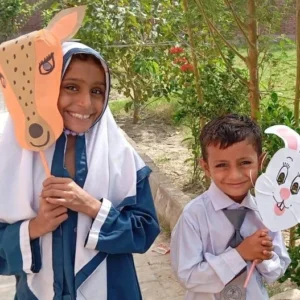
At the core of Moawin Foundation’s work is the belief that education and skills are the most powerful tools for breaking the cycle of poverty. Through Zakat-funded initiatives, Moawin Foundation strengthens public education by improving school infrastructure, learning environments, and teacher capacity. These interventions help ensure that children from underserved communities have a fair chance at learning and growth.
In addition, Moawin Foundation invests in skill development for youth and women. By equipping them with practical, employable skills, Moawin Foundation enables individuals to earn with dignity and contribute to their families’ stability. Health awareness and access to basic needs further strengthen community resilience.
Faith, Integrity, and Shariah Compliance
Trust is central to Zakat. Every rupee given carries an Amanah, and fulfilling that trust is a moral and religious responsibility. Moawin Foundation operates a fully Shariah-compliant Zakat system under the supervision of Mufti Zubair Ahmed. All processes strictly adhere to the principles of Tamleek and Wakalah, ensuring that Zakat reaches eligible recipients in accordance with Islamic law.
Zakat That Builds Futures, Not Dependence
What makes Moawin Foundation unique is its commitment to sustainability. Zakat funds are not treated as one-time assistance, but as investments in human potential. Through its Educate, Train, and Empower model, Moawin Foundation ensures that each contribution supports a cycle of growth.
A child receives access to quality education in a supportive environment. A teacher gains the training needed to inspire students. A young woman learns a skill that allows her to generate income and support her family. Each step creates ripple effects that extend beyond the individual to the wider community.
Give Zakat Where It Creates Lasting Change
As Ramadan approaches, Moawin Foundation calls you to give your zakat and join a journey beyond immediate relief. Your Zakat can help a child remain in school, support a family’s path to stability, and empower communities to build better futures.
When given with intention and purpose, Zakat does more than ease hardship. It restores dignity, strengthens society, and becomes a source of ongoing reward. One act of faith, when guided by trust and vision, can create change that lasts for generations.
Fulfill your obligation with confidence. Give with purpose.