
What Is Zakat? Meaning, Rules, and Importance in Islam
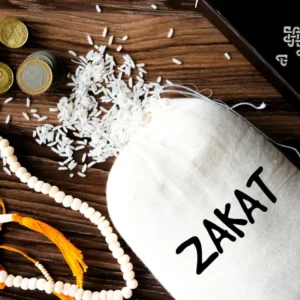
Zakat is among the most profound institutions of Islam and among the six pillars of Islam. It is a divine mechanism that intertwines faith, morality, and social justice. It stands not merely as an act of giving but as a comprehensive framework for equitable economic balance and human dignity.
Rooted in compassion and justice, Zakat aims to ensure that wealth circulates within society rather than concentrating in the hands of a few. It is an obligation that refines the heart of the giver, restores the hope of the receiver, and strengthens the collective fabric of the community.
“And establish prayer and give Zakat, and whatever good you put forward for yourselves, you will find it with Allah. Indeed, Allah is All-Seer of what you do.”
(Surah Al-Baqarah, 2:110)
The Spiritual Essence and Deeper Meaning of Zakat
The word Zakat originates from the Arabic root “zakā”, meaning purity, growth, and blessing. It signifies that wealth becomes purified when a rightful share of it is given to those in need
In Islam, Zakat represents both spiritual purification and social responsibility. It transforms personal wealth into a means of communal harmony. The Qur’an repeatedly connects prayer (Salah) and Zakat, reminding believers that true faith is expressed not only through devotion but also through active compassion.
Zakat thus functions as an instrument of tazkiyah (purification), purifying the wealth of the rich from excess and the hearts of the poor from despair.
Who Should Pay Zakat and Who Can Receive It?
To ensure fairness, Islam prescribes precise rules regarding the payment and distribution of Zakat. Every Muslim who possesses wealth above the Nisab threshold for one lunar year must pay 2.5% of their accumulated assets. This includes cash savings, gold, silver, business profits, and investments.
However, certain items are exempt, such as essential living expenses, personal property, and outstanding debts that are immediately due.
Zakat is distributed among eight eligible categories identified in the Qur’an.
“Alms-tax is only for the poor and the needy, for those employed to administer it, for those whose hearts are attracted (to the faith), for (freeing) slaves, for those in debt, for Allah’s cause, and for (needy) travellers. (This is) an obligation from Allah. And Allah is All-Knowing, All-Wise.”
(Surah At-Tawbah, 9:60).
Unlike voluntary charity (Sadaqah), which is motivated by compassion, Zakat is a structured act of worship. It is an obligation that acknowledges the collective right of the poor upon the wealth of the rich.
By institutionalizing charity, Islam transforms asymmetrical generosity into a systematic and continuous process of wealth redistribution. This makes Zakat not only a personal duty but also a pillar of economic justice.
Why Is Zakat Important in Islam and Society?
The importance of Zakat is far beyond financial giving. It is designed to nurture an ethical society that upholds equity and compassion. The Qur’an and Hadith repeatedly emphasize that Zakat purifies not only wealth but also the intention behind it.
It is a divine reminder that prosperity carries a responsibility: to uplift those left behind. Zakat thus serves as a bridge between individuals and their communities, fostering empathy, gratitude, and moral accountability.
On a societal level, Zakat prevents the accumulation of wealth in a few hands and promotes balanced economic growth. It discourages hoarding, encourages circulation, and ensures that financial resources contribute to the welfare of the entire society.
What Are the Types of Zakat in Islam?
Zakat manifests in two primary forms, both carrying deep spiritual and social significance:
Zakat al-Mal (Zakat on Wealth):
This form applies to accumulated wealth, savings, business income, and investments. It is paid annually to purify wealth and circulate prosperity within the community.
Zakat al-Fitr (Charity of Fast-Breaking):
Obligatory upon every Muslim before Eid al-Fitr, this ensures that no one is deprived of the joy of celebration. It also reminds believers that even during festive times, compassion for others remains central to faith.
Together, these forms of Zakat sustain a continuous rhythm of giving, maintaining the spiritual and social heartbeat of the Muslim Ummah.
How Does Zakat Help Society and Reduce Poverty?
Zakat functions as a stabilizing force within society. By redistributing wealth, it addresses the root causes of poverty and promotes an environment of dignity and equality.
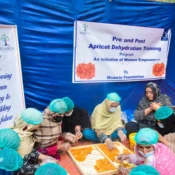
Beyond charity, Zakat is a tool for empowerment. When invested in education, skill development, and community welfare, it transforms short-term relief into long-term resilience. It strengthens the poor, reduces inequality, and fosters self-reliance, creating a virtuous cycle of progress.
At Moawin Foundation, Zakat funds support education programs, skill development, and livelihood opportunities that empower individuals to stand on their own feet. By investing in long-term growth rather than short-term aid, Zakat becomes a force for lasting and transformative impact.
Benefits of Zakat for Individuals and Communities
The blessings of Zakat manifest on multiple levels.
On a spiritual level, it purifies the soul from greed and nurtures humility, empathy, and gratitude. The giver learns detachment from material possessions, realizing that wealth is not ownership but stewardship.
On a social level, Zakat narrows the economic divide, reduces resentment, and fosters mutual respect among different classes. It builds a community grounded in justice, compassion, and shared responsibility.
Ultimately, Zakat strengthens the moral fabric of society by embedding compassion at the center of economic life.
Zakat as a Catalyst for Sustainable Impact
When administered through transparent and Shariah-compliant systems, Zakat becomes a powerful instrument of development.
Organizations like Moawin Foundation ensure that Zakat funds are not only distributed but also invested in ways that uplift individuals and communities sustainably. From supporting education in underserved schools to empowering women through vocational training, Moawin’s work transforms Zakat from a transaction into a transformation.
Every rupee spent through this system fulfills both spiritual and social objectives. To calculate your Zakat or make a contribution, you may visit: